
HOME>Experiments>For Kitchen>EH006 Magic Sand
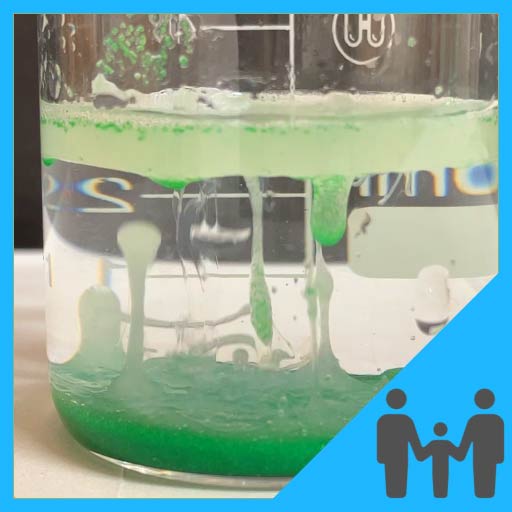
Let’s coat regular sand with a water-repellent agent. When you place it in water, you will observe a fascinating phenomenon.
Inhaling a large amount of gas contained in waterproof spray can lead to serious accidents, such as difficulty breathing. To prevent accidents, always use the spray in a well-ventilated outdoor area.
Requires
equipments
・disposable chopsticks or spoons.
・plastic cup
reagents
・colored sand or beach sand
・waterproof spray
・vegetable oil
・dish soap
Preparation
When using sand from the beach for the experiment, lightly wash the collected sand with tap water and allow it to dry thoroughly.
Methods
1.
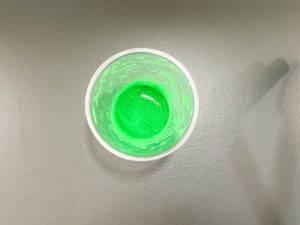
Fill an empty cup with sand.
2.
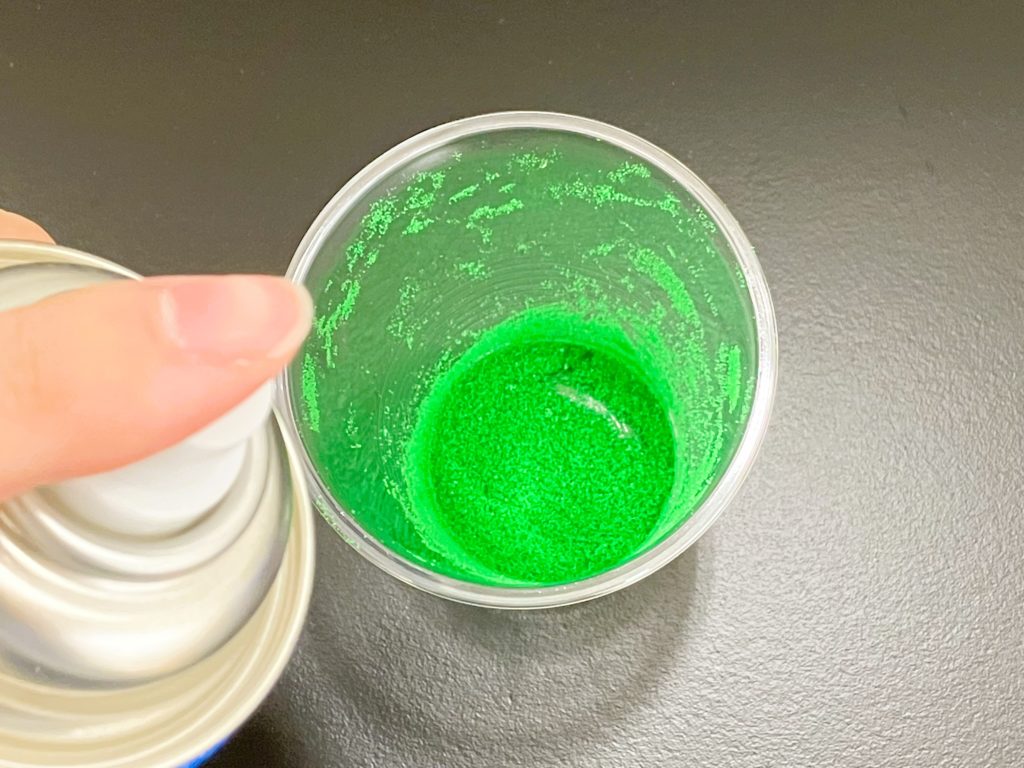
Spray the waterproof spray evenly onto the sand and mix it well with disposable chopsticks or a spoon. Repeat this process several times.
3.
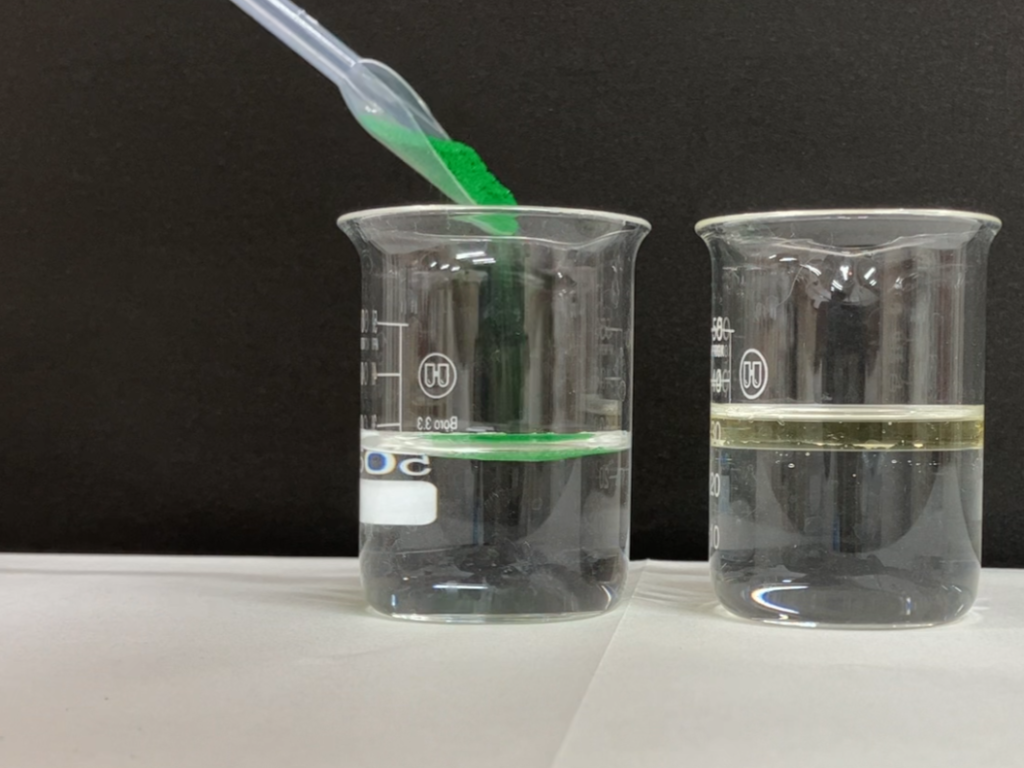
Once the sand is dry, place it in water and observe what happens.
4.

Scoop up the sand with a spoon and take it out of the water.
5.
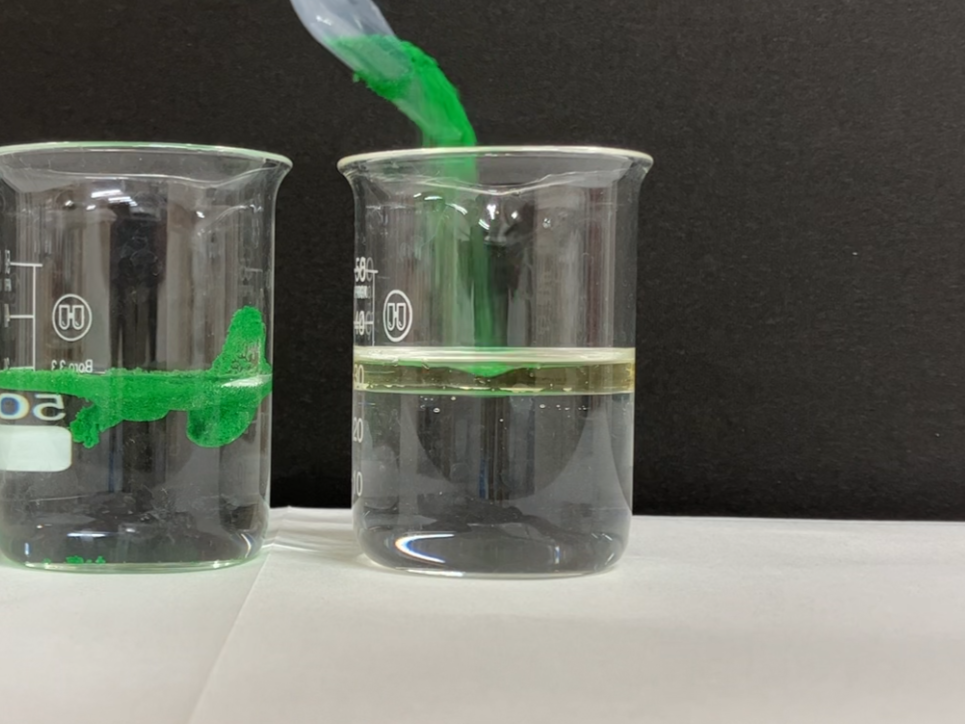
Pour vegetable oil on the surface of the water and then add the sand.
6.

Drop some dishwashing detergent onto the sand submerged in water.
Clearing
After the experiment, once the water is disposed of down the drain, throw the sand, along with the plastic cup, into the burnable trash.
Principle
When sand coated with a water-repellent agent touches water, it can float due to the hydrophobic property of the coating, which repels water. Considering that regular sand without the water-repellent coating sinks in water, it feels more like being pushed out rather than floating.
As more sand is added, it will eventually sink. The reason the sand does not break apart and instead forms clumps is likely because water cannot penetrate between the grains of sand due to the water-repellent coating.
The water-repellent coated sand does not mix with water, but since oil is not water, it easily mixes with the sand. This is why the sand that sank in step 6 contains oil.